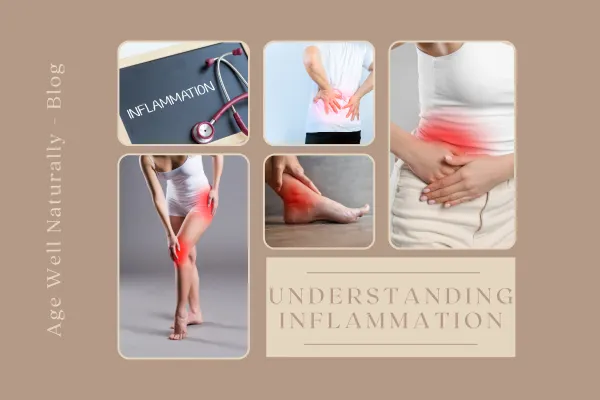
Understanding Inflammation in the Body
Understanding Inflammation in the Body
Inflammation is your body’s built-in defence system.
It’s how the body responds to injury, infection, or harmful substances. While short-term inflammation helps with healing, long-term or chronic inflammation can lead to serious health problems.
Understanding how inflammation works is key to protecting your long-term health.

What is Inflammation?
Inflammation is the immune system’s response to a perceived threat.
When your body senses harm, like bacteria, viruses, or toxins, it releases chemicals to protect and repair tissues. This causes redness, swelling, and sometimes pain. These are signs the body is healing.
However, when inflammation becomes persistent, it can harm rather than help. The immune system stays in a heightened state, attacking healthy tissues over time.
Inflammation is not a disease by itself. It’s a signal that something is wrong in the body.
You might not always feel inflammation, especially when it’s chronic. But it can silently damage organs and tissues for years.
Identifying and addressing inflammation early can prevent major health issues down the road.
Types of Inflammation: Acute vs. Chronic
There are two main types of inflammation - acute and chronic. Each serves a different purpose and impacts the body differently.
Acute Inflammation
Acute inflammation is short-term.
It occurs quickly after injury or infection. For example, a cut, sore throat, or sprained ankle triggers acute inflammation.
Symptoms include pain, heat, swelling, and redness.
This type of inflammation usually lasts a few days to a week. It’s necessary for healing and goes away once the threat is gone.
Acute inflammation is your body doing its job correctly.
Chronic Inflammation
Chronic inflammation lasts for months or years.
It can be triggered by autoimmune conditions, long-term exposure to irritants, or lifestyle factors like poor diet and stress.
Unlike acute inflammation, chronic inflammation doesn’t stop when the initial threat is gone. It keeps the immune system activated unnecessarily, leading to tissue damage.
Over time, it increases the risk of heart disease, cancer, diabetes, arthritis, and neurodegenerative conditions.
Causes of Inflammation
Several factors can cause or worsen inflammation:
Poor diet (especially processed foods and sugar)
Lack of exercise
Chronic stress
Smoking and alcohol
Environmental toxins
Infections or untreated injuries
Autoimmune diseases like rheumatoid arthritis or lupus
Sometimes, the body triggers inflammation even without an obvious external threat. In these cases, internal imbalances or conditions like gut dysbiosis may be involved.
Understanding the cause is the first step toward treatment and prevention.
Common Symptoms of Inflammation
Symptoms depend on whether the inflammation is acute or chronic.
Acute inflammation symptoms:
Redness
Swelling
Heat
Pain
Loss of function
Chronic inflammation symptoms:
Fatigue
Brain fog
Joint pain
Digestive issues
Weight gain or loss
Skin rashes
Chronic symptoms are often subtle and easy to ignore. But they can signal deeper problems developing over time.
Health Risks Linked to Chronic Inflammation
Chronic inflammation is linked to nearly every major disease:
Heart disease: It contributes to plaque build-up in arteries.
Diabetes: Inflammation worsens insulin resistance.
Cancer: It creates an environment for cancer cells to grow.
Alzheimer’s disease: Inflammatory proteins affect brain function.
Arthritis: It damages joints and causes pain and stiffness.
Unchecked, chronic inflammation can shorten life expectancy and reduce quality of life. Managing it early helps protect long-term health.
How to Reduce Inflammation Naturally
You can reduce inflammation without medication by adjusting daily habits.
Anti-Inflammatory Foods
What you eat has a big impact on inflammation.
Foods that help:
Leafy greens (spinach, kale) - The product below is amazing for your smoothies.
2 Scoops = 1.2kg of Vegetables.

Berries (blueberries, strawberries)
Fatty fish (salmon, sardines)
Olive oil
Nuts (almonds, walnuts)
Turmeric and ginger
Green tea
Tahitian Noni Juice - Every bottle includes powerful antioxidants, adaptogens,
nutrients and phytonutrients that naturally boost energy, support your immune
system and maintain overall health.

Foods to avoid:
Sugar and sweetened drinks
Refined carbs
Fried foods
Processed meats
Alcohol in excess
A Mediterranean-style diet is one of the best for reducing inflammation.
Lifestyle Changes That Help
Simple daily habits reduce chronic inflammation:
Get 7–9 hours of quality sleep
Exercise regularly (30 minutes/day)
Manage stress with breathing exercises or meditation
Avoid smoking and limit alcohol
Stay hydrated
Spend time in nature
These actions help regulate immune response and lower inflammation naturally.

When to Seek Medical Advice
If symptoms of inflammation persist for more than a few weeks or interfere with daily life, talk to a healthcare provider.
Seek help if you experience:
Constant fatigue
Ongoing joint or muscle pain
Digestive problems
Recurring infections
Swelling or redness without clear cause
Early testing and treatment can prevent long-term health problems.
Final Thoughts
Inflammation is your body’s natural response to threats.
But when it becomes chronic, it can quietly damage your health.
The good news is, diet and lifestyle play a powerful role in reducing inflammation.
By making a few key changes, you can support your body’s healing systems, lower disease risk, and feel better every day.